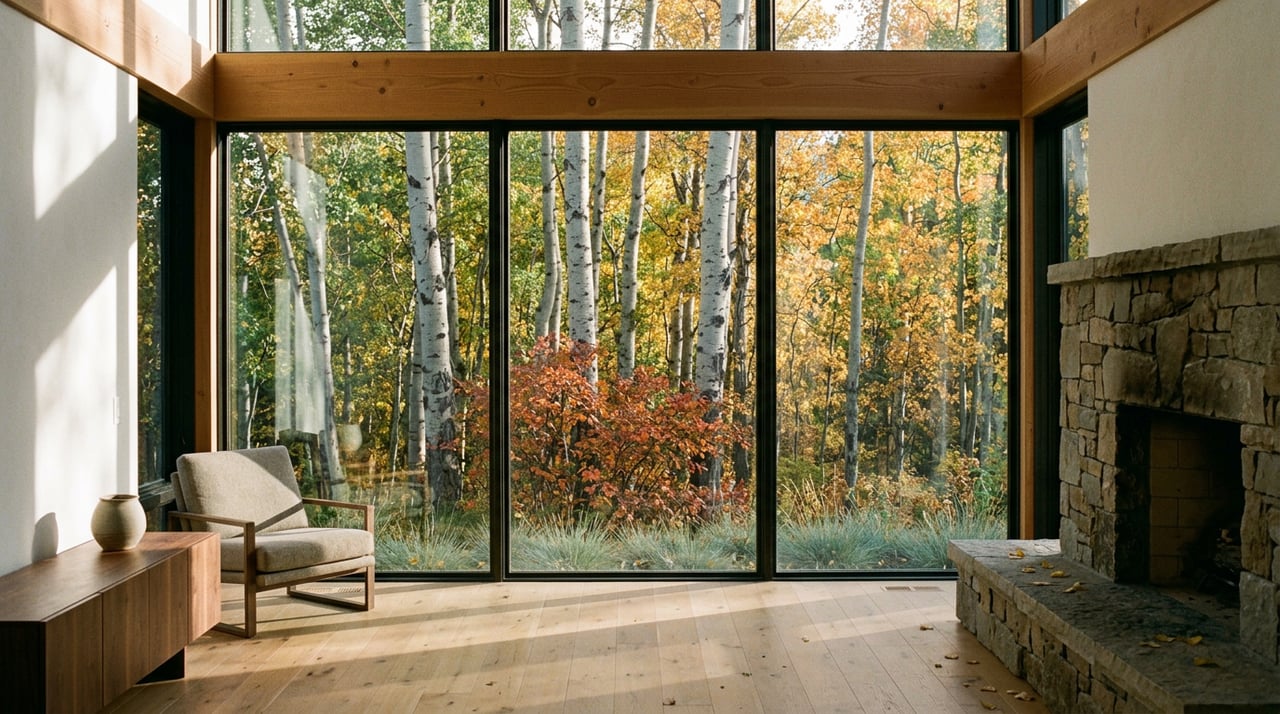
Ask anyone who has lived through a few Creede autumns when the aspens turn, and you will get the same answer: wait for the last week of September. It is the town's unofficial rule, repeated at the coffee counter and passed along to anyone asking about visiting guests. This year, that rule is running into a problem. Every forecaster tracking Colorado's high country this season is pointing to a peak that arrives earlier than the date locals have circled for years, and the reason has less to do with the calendar than with what happened to the snowpack last winter.
The Date Everyone Here Has Memorized
Rio Grande County's own tourism office lays out the baseline most residents already know by heart: color can start showing as early as September 10, with peak typically landing somewhere between September 25 and October 1. That range has become the town's working assumption, the reason people schedule visitors for the first weekend of October and not the middle of September.
The trouble is that a "typical" window is built from years that average out. It says nothing about what a specific year, with its specific snowpack and its specific summer, is actually going to do. And 2026 has given forecasters reason to throw out the average.
Every Forecaster Is Nudging That Date Left
FOX31 Denver's Pinpoint Weather team updated its statewide fall foliage outlook in late August and placed Creede, by name, inside the season's earliest peak window: September 10 through September 23, grouped with Aspen, Crested Butte, Leadville and Lake City as part of the Collegiate Peaks, Sawatch Range and Northern San Juan Mountains cluster. That is not a generic "Colorado is turning" forecast. It puts Creede specifically at the front of the state's color wave, not the back.
A Colorado travel blog updated within the past week goes further, describing a light winter snowpack combined with a warm, dry summer as the exact combination that pushes high-altitude aspens to change sooner than the old October advice assumes. The reasoning tracks with what most locals already understand about aspens: stressed trees color early. A dry summer is a form of stress.
The Farmers' Almanac's 2026 outlook adds a useful counterweight. Its broader read on the West this year is more cautious. Texas and the western Gulf region are marked poor to spotty, and the almanac frames much of the interior West as not its top bet for a strong season. But it specifically calls out localized good zones in the Rockies and nearby high terrain, including parts of Colorado, where higher elevations and cooler nights can still produce a real show even when the surrounding region underperforms. That distinction matters here. Creede's elevation is exactly the kind of pocket that outlook is describing. The town does not need the whole West to have a good year. It needs its own mountainsides to hold on to enough summer moisture, and multiple sources this year suggest they have.
Why One Highway Can Show Three Seasons at Once
The reason nobody should wait for a single "peak weekend" has to do with what happens on the Silver Thread Scenic Byway, the stretch of Highway 149 that runs through town and climbs west toward Lake City. That road crosses the Continental Divide twice, once at Spring Creek Pass and again at Slumgullion Pass. Each crossing gains elevation, and elevation is the whole game with aspens. The summit of Spring Creek Pass can be fully gold while the cottonwoods along the Rio Grande down in town are still green. Drive twenty minutes and the season changes underneath you.
This is the piece of local knowledge that the "wait until late September" rule flattens out. It treats Creede's color as one event on one weekend. It is actually a rolling sequence that starts at the highest passes and works its way down to the valley floor over several weeks, which means the smart move this year is not picking a date. It is picking which elevation you want to see first.
The One Trail That Isn't Playing By Aspen Rules at All
Not every color show in Mineral County comes from aspens, and one of the more interesting ones this month has nothing to do with gold leaves at all. The Fern Creek Trail runs through ground the West Fork Fire Complex burned several years back, and the standing dead trees left behind now share the hillside with fireweed, a plant whose color shifts through the season in its own way, unconnected to when the aspens above it decide to turn. Walking that trail this month means watching two different color stories happen on the same slope, one driven by wildfire recovery and one driven by the same drought stress hitting the rest of the county. It is not a substitute for the postcard drive. It is a different kind of trip entirely, and it is worth doing separately rather than folding into the same afternoon as everything else.
Where to Point the Truck This Month
| Spot | What makes it different | Rough timing this year |
|---|---|---|
| Silver Thread Byway (Spring Creek Pass and Slumgullion Pass) | Crosses the Continental Divide twice; highest elevation on the route | First to turn, likely already showing color above treeline now |
| Phoenix Park Trailhead | Two-mile hike or ATV run to an old miner's cabin, with waterfalls and a real chance at spotting a moose | Early-to-mid window, aspens along the trail bursting before the valley catches up |
| Hobbit Trail, off Bachelor Loop | A mile and a half north of town, the trail most locals actually use | Good for a quick after-work trip once color starts moving downhill |
| Fern Creek Trail | Burn-scar regrowth and fireweed rather than classic aspen gold | Its own separate timeline, worth a dedicated trip |
| North Clear Creek Falls | Just off Highway 149, widely considered the most photographed waterfall in Colorado | An easy add-on to any Silver Thread drive, any week |
| Love Lake, via Forest Service Road 523 | A ten-mile climb southwest of town with hillside aspen stands visible the whole way up | Later in the window, trailing the high passes by a week or two |
Reading the Next Three Weeks Like Someone Who Lives Here
The practical shift this year is small but real. Instead of marking one Saturday in late September and hoping the weather cooperates, start checking the highest ground now, this week, while the passes on Highway 149 are the most likely spots already showing color. Save Love Lake and the lower drainage for later, closer to the county's traditional late-September window, since it sits further down in elevation and will lag behind the summits. Treat the whole stretch from now through the first days of October as one long, moving event rather than a single date to protect on the calendar.
None of this requires giving up an evening in town while you wait. Creede Repertory Theatre keeps its season running well into September, so a color drive up 149 still pairs naturally with dinner and a show on Main Street the same night. The point of tracking the elevation staggering is not to turn fall into a research project. It is to stop missing the first two weeks of color because everyone was told to wait for the last one.
If you are weighing a move to Mineral County, or already own here and are thinking about what a place like this holds for the long term, Matt Wood and the team at Scout RE spend as much time on Creede's mountain and recreational property market as they do on Dallas neighborhoods, and we are always glad to talk through what a specific property or a specific season actually looks like on the ground.