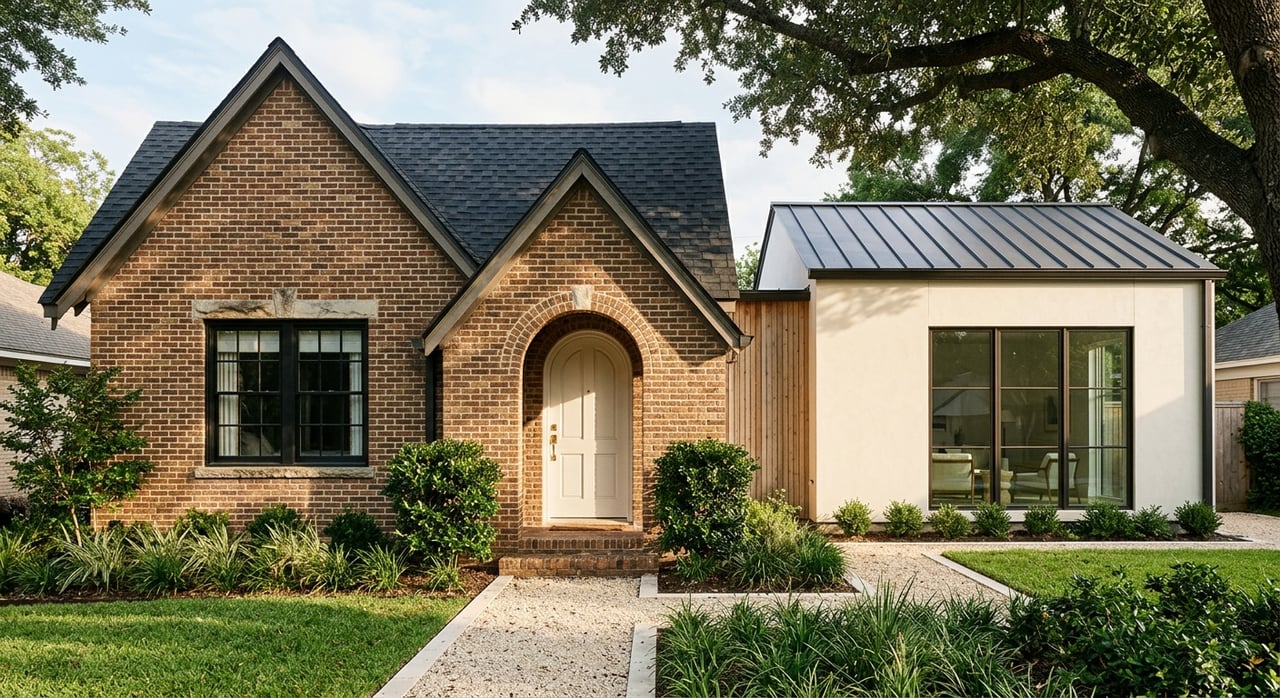
Trying to choose between a historic home and a newer build in East Dallas? It is a great problem to have, but it can also get complicated fast. In this part of Dallas, charm, architecture, preservation rules, energy performance, and maintenance all shape what daily life may look like after closing. This guide will help you compare both options so you can move forward with more clarity and confidence. Let’s dive in.
East Dallas Has More Than One Housing Style
East Dallas is one of Dallas’s oldest residential areas, and it includes several city-designated landmark districts such as Swiss Avenue, Munger Place, Junius Heights, and Peak’s Suburban Addition. According to the City of Dallas, work on a property in a landmark district requires a Certificate of Appropriateness before it begins.
That matters because “historic East Dallas” is not just one type of home. City planning materials describe the area as developing in waves, from Victorian houses and Prairie homes to brick mansions, cottages, and bungalows, often along old streetcar routes. In Junius Heights and other historic areas, the housing stock varies widely in style, size, and likely upkeep.
Historic Homes Offer Character
If you are drawn to architectural personality, historic East Dallas may feel hard to beat. Older homes often offer details and street patterns that are difficult to recreate, along with an established neighborhood fabric that many buyers find appealing.
In Munger Place, the city's nomination history notes that infrastructure like trees, sidewalks, streetlights, and sewer lines were installed before lots were sold. That helps explain the mature setting and established feel buyers often notice in older East Dallas blocks. You can see how Dallas frames these historic district characteristics.
Historic homes can also give you more design identity from day one. A Craftsman bungalow, Tudor cottage, Prairie-era home, or early-20th-century residence each brings a different living experience, and that architectural variety is a real part of East Dallas appeal.
Historic Homes Also Bring More Process
The same features that make older homes special can also create more complexity. If a property is in a landmark district, visible exterior work often needs to align with district criteria, and you may need city review before starting changes.
The City of Dallas also offers tax incentives for certain rehabilitation projects, including some designated landmarks or contributing properties in landmark districts. If an exemption applies, annual filing with DCAD is required. That can be a meaningful benefit, but it is still another item to track.
For buyers, the key is not to assume every remodel will be simple. Your budget may need to account for permits, review timelines, and materials or design choices that fit the existing character.
Older Homes Can Mean More Upkeep
Historic homes often ask for a different mindset. You may be buying craftsmanship and character, but you are also buying systems and materials that could need more attention over time.
The EPA notes that the older a home is, the more likely it is to contain lead-based paint. For homes built before 1978, contractors who renovate or partially demolish the property must be lead-safe certified and follow lead-safe practices.
Energy performance may also differ from what you see in newer construction. The U.S. Department of Energy notes that old exterior doors can leak air, and a typical house can lose about 20% to 30% of the air moving through its duct system due to leaks or poor connections, as cited in the EPA source above. In practical terms, that means your renovation plan may need to include air sealing, insulation, or ductwork along with cosmetic updates.
Budget Beyond Cosmetic Updates
When you tour an older East Dallas home, it helps to think past the kitchen counters and paint colors. A smart budget often includes:
- Preservation review or permit requirements
- Possible lead-safe renovation costs for pre-1978 homes
- HVAC, electrical, plumbing, or roofing updates
- Energy improvements such as insulation, air sealing, and duct sealing
- Ongoing maintenance for original or older materials
That does not mean a historic home is the wrong choice. It simply means the numbers should reflect the full ownership picture, not just the purchase price.
New Homes Prioritize Efficiency
If you want a more turnkey experience, newer construction may be the easier fit. New homes generally start with a stronger efficiency baseline and are built under current permit and code requirements.
ENERGY STAR says certified new homes and apartments are designed and built better from the ground up and offer better energy efficiency and performance than other homes. In Dallas, the city’s residential energy-code process requires a third-party energy compliance path form for new one- and two-family construction filed on or after May 12, 2023.
For many buyers, that translates into fewer immediate projects after move-in. Major systems, finishes, and building components are simply newer, which can make early ownership feel more predictable.
New Construction Still Has Limits
A newer home does not automatically mean total flexibility. In East Dallas, new infill homes still have to work within Dallas zoning rules covering land use, height, setbacks, lot size, density, coverage, and floor-area ratio. You can review the city’s zoning framework here.
That means a modern home in a built-out area may feel fresh and low-maintenance, but it still has to fit within the zoning envelope of the block. And while newer homes often have fewer preservation constraints outside landmark districts, they may not offer the same period character that draws buyers to East Dallas in the first place.
How To Choose The Better Fit
The right answer usually comes down to how you want to live, not just what looks best in photos. Both historic and new homes can be a smart move if the property matches your budget, timeline, and tolerance for projects.
Historic homes often fit buyers who value architectural character, established streetscapes, and the chance to improve a property over time. They also tend to work best for buyers who are comfortable navigating district-specific review rules and planning for ongoing maintenance.
New homes usually fit buyers who want a more predictable near-term ownership experience, current energy-code performance, and fewer immediate repairs. They can also appeal to buyers who want a cleaner slate inside without the same level of historic review.
A Quick Side-By-Side Comparison
| Feature | Historic East Dallas Home | Newer East Dallas Home |
|---|---|---|
| Architectural style | Strong period character and design identity | More modern finishes and layout expectations |
| Rules and approvals | May require preservation review and COA for exterior work | Fewer historic constraints outside landmark districts |
| Maintenance | Often higher and less predictable | Often more predictable in the near term |
| Energy performance | May need upgrades for efficiency | Built to current code standards |
| Buyer experience | Best for buyers comfortable with the process and upkeep | Best for buyers seeking convenience and fewer early projects |
Smart Questions To Ask On Tour
Whether you lean historic or new, better questions usually lead to better decisions. East Dallas homes can vary a lot from one block to the next, especially in older areas.
Here are a few strong questions to ask:
- Is the property inside a landmark district, and if so, what exterior changes would need a Certificate of Appropriateness?
- What permit history exists for the roof, electrical, plumbing, HVAC, additions, or remodels?
- If the home was built before 1978, has anyone documented lead-safe work or testing?
- If the home is historic, does it qualify for city tax incentives, and is there an annual exemption filing requirement?
- If the home is new, what energy-compliance documentation is on file?
The East Dallas Bottom Line
In East Dallas, historic homes usually reward buyers who want character and are willing to manage rules and maintenance. Newer homes usually reward buyers who want predictability, efficiency, and fewer near-term projects.
Neither choice is automatically better. The best fit is the one that supports your lifestyle, your budget, and how hands-on you want homeownership to be. If you want help comparing East Dallas options block by block and property by property, Anne Tudhope can help you weigh the tradeoffs and move forward with confidence.
FAQs
What makes a home historic in East Dallas?
- In East Dallas, many older homes are located in city-designated landmark districts such as Swiss Avenue, Munger Place, Junius Heights, and Peak’s Suburban Addition, where district-specific preservation criteria may apply.
What is a Certificate of Appropriateness in Dallas?
- A Certificate of Appropriateness, or COA, is a city approval required before work begins on a property in a Dallas landmark district when the project falls under preservation review requirements.
Are historic homes in East Dallas harder to renovate?
- Historic homes in East Dallas can involve more steps because exterior changes may need preservation review, and older homes may also require added budgeting for permits, lead-safe work, and energy upgrades.
Are new homes in East Dallas more energy efficient?
- New homes in East Dallas generally start with a better efficiency baseline because they are built under current code requirements, and Dallas requires energy-compliance documentation for eligible new residential construction.
What should buyers ask before buying an older East Dallas home?
- Buyers should ask about landmark district status, permit history, lead-safe testing or renovation records for pre-1978 homes, possible tax incentives, and the condition of major systems like HVAC, plumbing, and roofing.