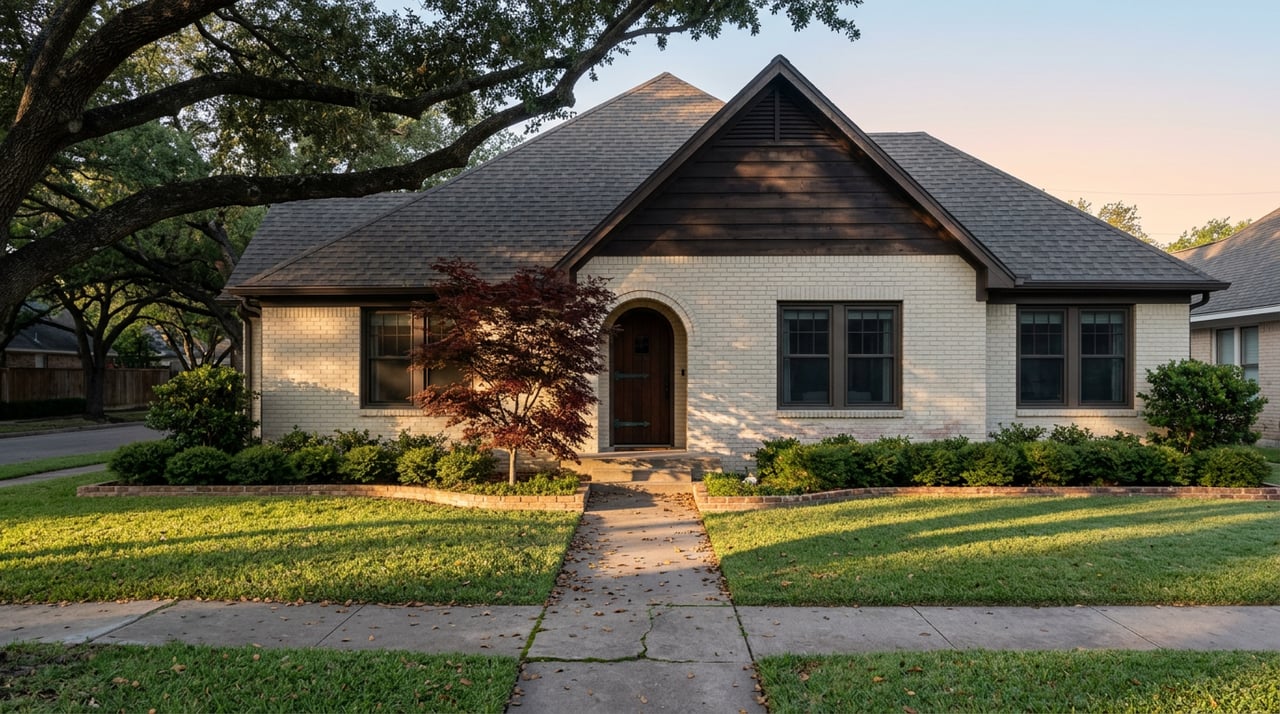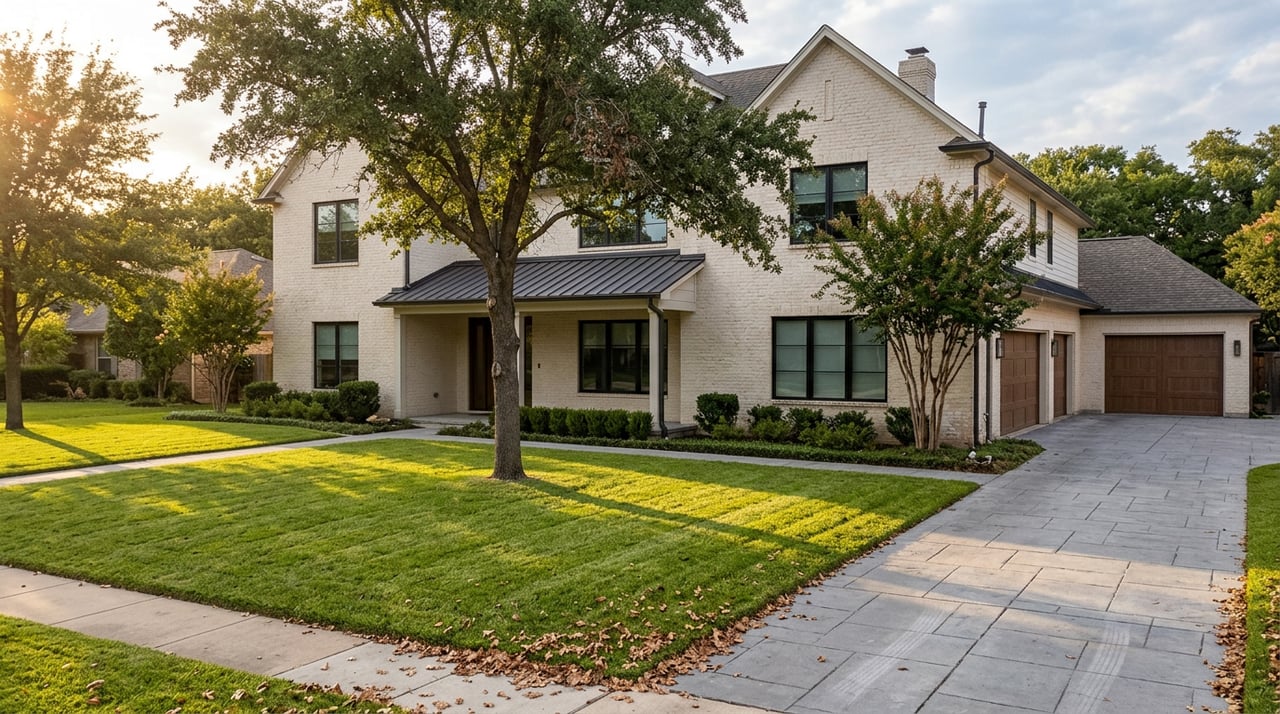
Shopping in Highland Park or University Park and noticing many homes sit above standard loan limits? You are not alone. In Park Cities, jumbo financing is common, and understanding how it works can help you compete with confidence. In this guide, you will learn what counts as a jumbo loan, how underwriting differs, the local factors that affect approvals, and the steps to prepare a winning offer. Let’s dive in.
Jumbo loan basics for Park Cities buyers
A jumbo loan is a mortgage that exceeds the conforming loan limit set each year by the Federal Housing Finance Agency. Loans above that threshold are considered nonconforming, which means they are not purchased by Fannie Mae or Freddie Mac and are priced and underwritten by private lenders. Because many Park Cities homes surpass conforming limits, jumbo financing or all-cash offers are common.
Before you write an offer, verify the current Dallas County conforming limit. You can check the latest county-by-county caps on the FHFA’s official conforming loan limits map. For shopping strategy, the Consumer Financial Protection Bureau offers clear, consumer-first guidance on comparing lenders and programs within its Owning a Home toolkit.
How jumbo underwriting differs
Jumbo underwriting is more lender-specific and often tighter than conforming rules. Expect stronger credit standards, larger reserves, and closer appraisal reviews.
Credit strength and loan sizing
- Many lenders prefer FICO scores of 700 or higher for standard jumbo programs.
- Super-jumbo balances typically expect mid-700s scores.
- Private banks may flex if you hold significant assets, but policies vary by institution.
DTI and cash flow
- Lenders look closely at debt-to-income ratios, commonly targeting an upper range around 36 to 45 percent.
- Business owners and multiple-property owners should be ready to document cash flow and obligations in detail.
Reserves and assets
- Plan for larger cash reserves, often 6 to 12 months of PITI for primary residences, with more for second homes or investments.
- Liquid accounts, retirement funds, and securities can count, but documentation must be precise and complete.
Documentation and income
- Full documentation is the norm: W-2s, paystubs, and tax returns for wage earners.
- Alternatives exist for complex income, such as bank-statement or asset-depletion programs, though they often come with higher rates or lower maximum LTVs.
- Non-wage income like bonuses, equity comp, or business distributions must be consistent and well documented.
Down payments, LTV, and PMI
- For primary residences, 10 to 20 percent down is common, and many buyers opt for 20 percent to improve pricing and reserve requirements.
- Second homes and investments usually require larger down payments and lower maximum LTVs.
- PMI is uncommon and costly on jumbos, so most buyers avoid it with larger down payments.
Appraisals for high-value homes
- Unique properties and limited comps in Park Cities can trigger more detailed appraisals, review appraisals, or wider comp searches.
- Expect higher appraisal fees and allow time for scheduling top-tier appraisers.
Park Cities factors that affect your approval
Local market traits shape financing strategy in Park Cities.
Luxury price points and competitiveness
Homes in Highland Park and University Park often exceed conforming limits, so jumbo preapproval is a baseline requirement for financed offers. In competitive moments, some buyers shorten financing or appraisal timelines, or they present strong proof of funds to cover potential valuation gaps. If you plan to finance, aim for a full preapproval, not a soft prequalification.
Appraisal dynamics in micro-markets
Luxury pockets can have sparse recent sales. If comps are thin, an appraisal may come in conservatively. Be prepared to show market evidence and discuss options such as increasing cash at closing if a gap emerges.
Taxes, HOA dues, and carrying costs
Higher valuations often mean higher dollar property taxes, which affect DTI and reserve calculations. Review current records on the Dallas Central Appraisal District site and model realistic annual taxes and monthly escrows using the Dallas CAD resource before you finalize budget and lender selection.
Smart financing strategies and buyer checklist
A well-prepared file helps you move quickly and negotiate with confidence.
Pre-offer preparation
- Secure a full jumbo preapproval that states the loan amount, program type, and conditions.
- Gather asset statements and documentation for liquid accounts, retirement funds, equity compensation, and business ownership.
- Plan for 6 to 12 or more months of reserves based on loan size and program.
Offer structure in competitive moments
- Discuss appraisal contingency language with your agent and lender. Some buyers shorten timelines or show proof of cash to close if value comes in low.
- Identify backup funds early, including potential gifts, liquidity events, or bridge financing if needed.
Program choices to compare
- Fixed-rate jumbo vs ARM: fixed offers stability while ARMs may start lower for buyers who expect to refinance or sell within a defined window.
- Portfolio and private bank options: helpful for complex assets or income, often with relationship-based underwriting.
- Bank-statement or asset-depletion programs: useful for self-employed or asset-rich buyers, with tradeoffs in rate or LTV.
Post-closing planning
- If you expect renovations, map out timelines for a future refinance and note any prepayment or seasoning rules on cash-out.
- Track assessments and consider the local property tax appeal process if applicable.
How to choose your lender partners
Different lender types serve different needs. Many Park Cities buyers compare options from national banks, regional banks or credit unions, private banking divisions, portfolio lenders, and mortgage brokers. Pricing and policies vary meaningfully, so shop thoughtfully.
Request a standardized disclosure to compare apples to apples and review costs, rate, and terms side by side. The CFPB explains what to look for in a Loan Estimate, which you should request from each potential lender.
Common pitfalls to avoid
- Relying on last year’s numbers. Always confirm the Dallas County limit on the FHFA’s conforming loan limits map before making decisions.
- Underestimating reserve needs. Jumbo programs often require more months of PITI than conforming loans.
- Ignoring appraisal risk. Unique estates can appraise conservatively, which may require extra cash or a negotiation plan.
- Assuming PMI will bridge a small down payment. PMI is limited and costly on jumbos.
- Forgetting taxes and HOA dues in qualifying. These obligations count toward DTI and reserves.
- Relying on a soft prequal. A strong preapproval strengthens your negotiating position.
Your next step
If Park Cities is your target, align your financing early. Verify the county limit with FHFA, build a complete documentation file, and decide whether a fixed-rate jumbo or an ARM fits your time horizon. When you are ready to pair strategy with the right property, reach out. We will help you navigate neighborhoods, structure a competitive offer, and coordinate seamlessly with your chosen lender.
Want a one-on-one consult tailored to your search? Connect with Matt Wood to get started.
FAQs
What is a jumbo loan in Dallas County?
- A jumbo is any mortgage that exceeds the FHFA conforming limit for the county; check the current Dallas County cap on the FHFA loan limits map.
How much down payment do jumbo loans require?
- Many primary-residence jumbo programs expect 10 to 20 percent down, with larger down payments common for better pricing and lower reserve requirements.
Are jumbo loan rates higher than conforming?
- Often yes, though the gap changes over time; pricing depends on loan size, credit, LTV, and market conditions, so compare multiple lenders.
What if I have complex income or equity compensation?
- You may qualify with bank-statement or asset-depletion programs or a portfolio lender, though documentation is strict and pricing can be higher.
How do appraisals work on unique Park Cities homes?
- Lenders may require more detailed appraisals or a review when comps are limited, so plan for potential valuation gaps and timelines.
How can I compare lenders fairly?
- Request a standardized Loan Estimate from each lender and use the CFPB’s Owning a Home tools to compare rates, fees, and terms side by side.
Do property taxes affect jumbo approvals?
- Yes. Higher dollar taxes and any HOA dues factor into DTI and reserve calculations; review records on the Dallas CAD site while budgeting.