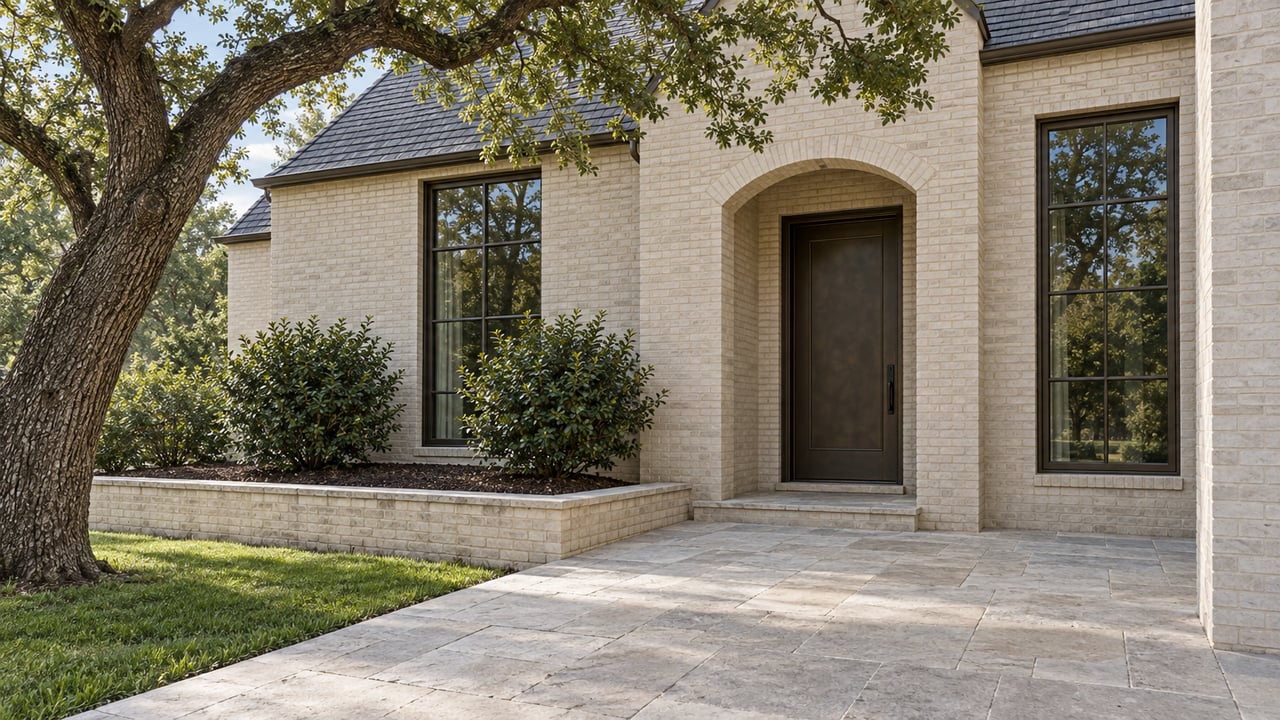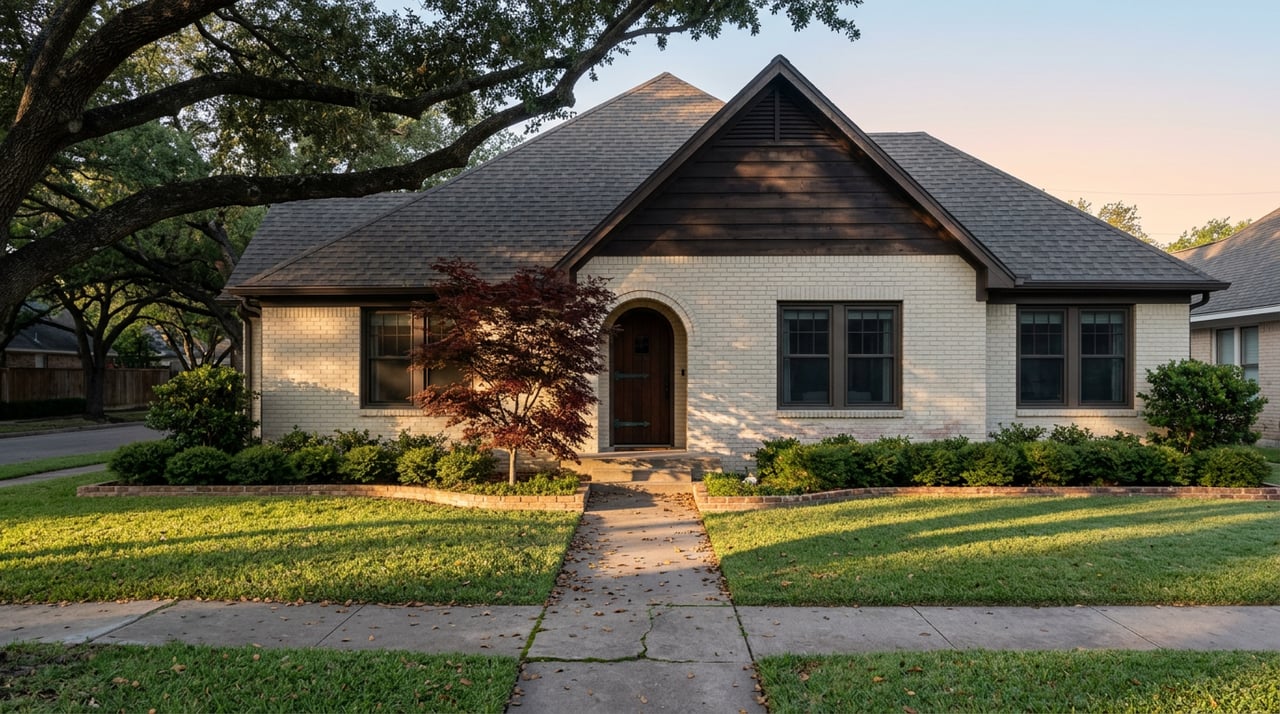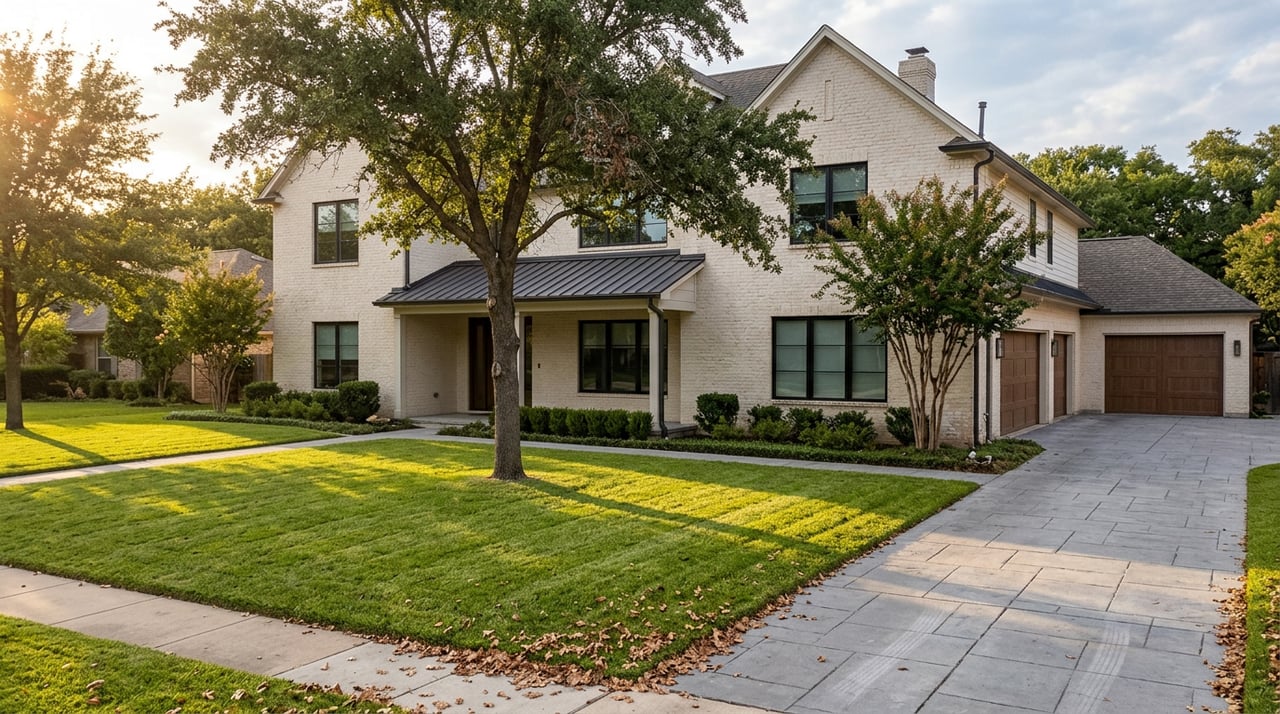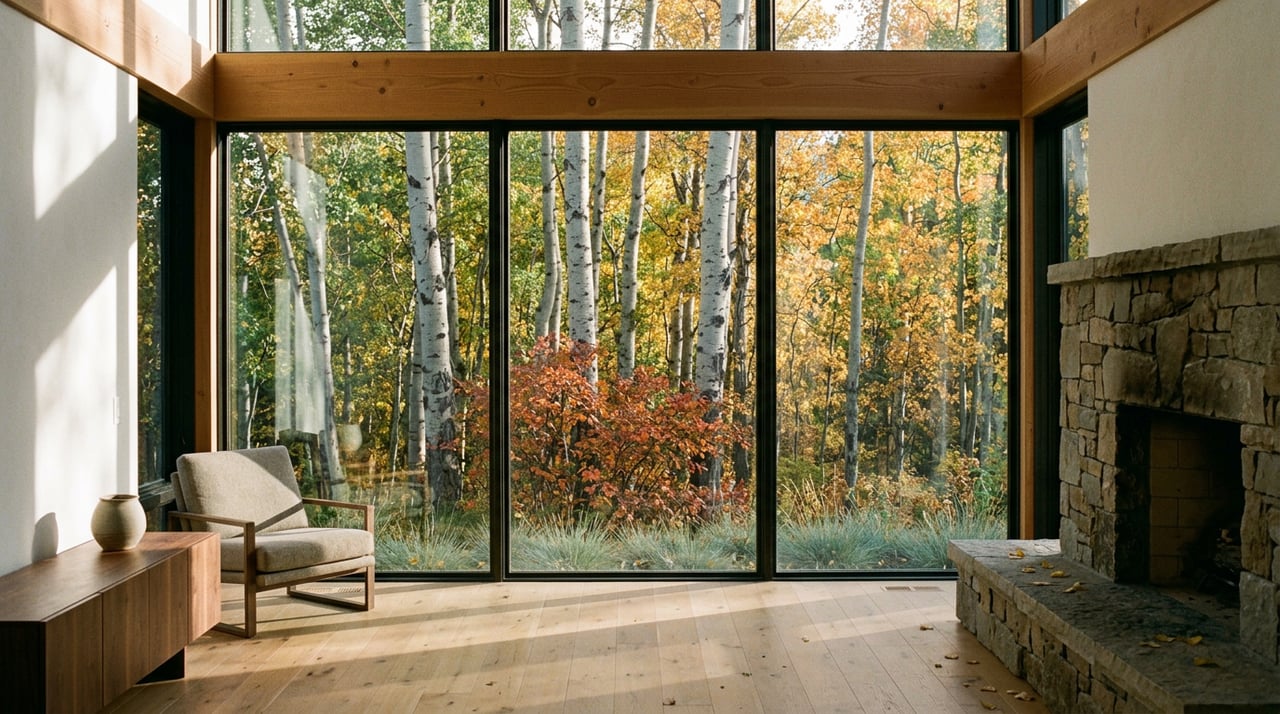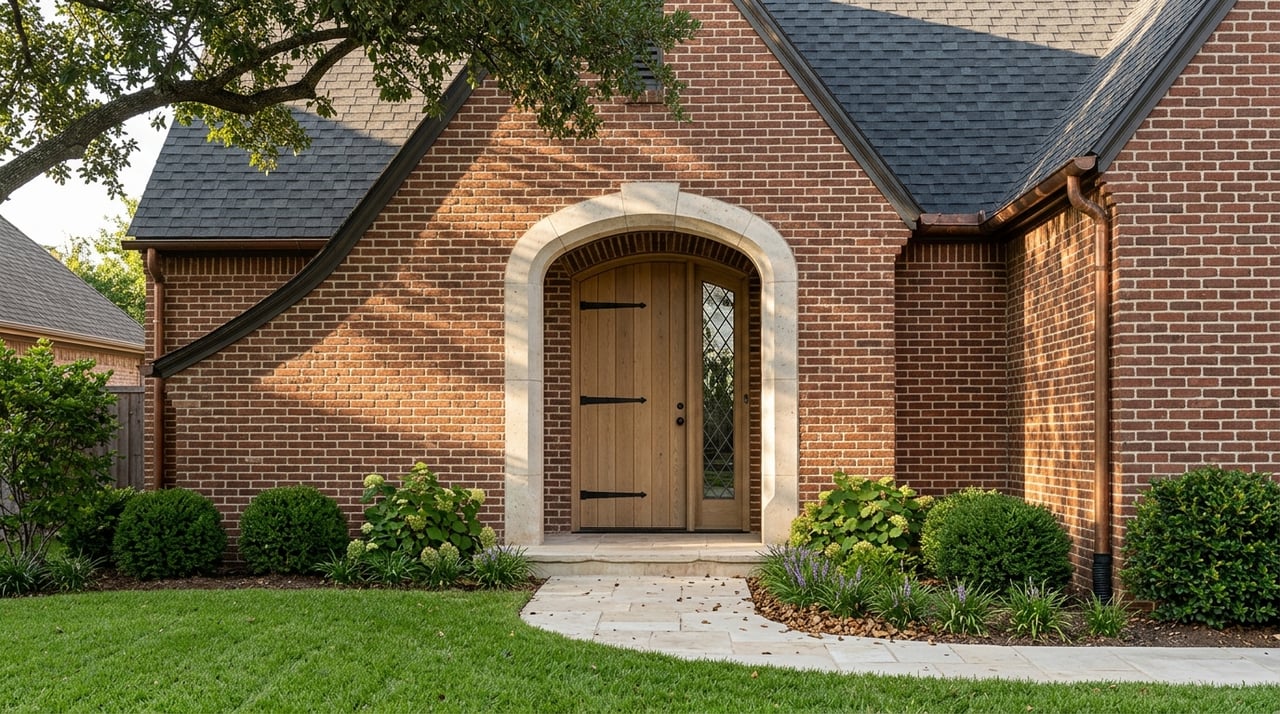
What makes a Park Cities block feel so memorable? Often, it is not just the size of the homes or the mature trees. It is the mix of architectural styles layered across Highland Park and University Park over nearly a century, creating a streetscape that feels both polished and deeply rooted. If you are buying, selling, or simply trying to understand what gives these neighborhoods their character, this guide will help you spot the styles that shape Park Cities homes and what they can mean for daily living, upkeep, and long-term appeal. Let’s dive in.
Why Park Cities Architecture Feels Layered
Highland Park and University Park developed over many decades, and that long timeline shows up clearly at street level. Preservation Park Cities notes that the community’s homes were built over almost 100 years, which helped create a rich mix of architectural styles rather than a one-note look.
That history helps explain why you can see an older revival home, a mid-century infill property, and a newer contemporary build on the same block. University Park describes itself as a predominantly residential community with more than 25,000 residents and more than 7,000 homes, while Highland Park’s official history points to early incorporation in 1913 and later waves of infill.
The setting matters too. Preservation Park Cities connects the area’s character to its trees, parks, and pedestrian-friendly streets, and Highland Park’s park system emphasizes thoughtful design and landscaped public spaces such as Lakeside Park. Together, those features create the backdrop that makes architectural details stand out.
Tudor Revival in Park Cities
Tudor Revival is one of the styles many people immediately associate with the Park Cities. The National Park Service describes it as especially popular from about 1890 to 1940, with steeply pitched roofs, decorative half-timbering, tall narrow casement windows, and prominent chimneys.
In Park Cities, Tudor homes often feel storybook-like from the street. You may notice picturesque rooflines, smaller window openings, and a front elevation that feels more enclosed and private than later styles.
Some homes also reflect cottage variations, including Cotswold-inspired forms that are often one to one-and-a-half stories. For buyers, that can mean a home with strong visual charm and historic presence, though interiors may feel more segmented than in newer floor plans.
Colonial Revival and Formal Symmetry
Colonial Revival homes bring a different kind of presence. According to the National Park Service, this style emphasizes symmetry, hipped or gabled roofs, and classical features such as columns, pilasters, fanlights, and Palladian windows.
On a Park Cities street, these homes often read as balanced, formal, and orderly. Their façades tend to feel composed, which is one reason they pair well with restrained landscaping and carefully planned additions.
For homeowners, Colonial Revival architecture often signals a more traditional arrival sequence. You may see formal front entries and room layouts that reflect an older pattern of separated spaces rather than one large open living core.
Craftsman, Bungalow, and Cottage Forms
Not every Park Cities home aims for grandeur. Craftsman, bungalow, and cottage-style homes often offer a more compact and approachable scale while still contributing meaningful architectural character.
The National Park Service describes Craftsman bungalows as one- to two-story homes with broad gables, open floor plans, stained woodwork, and a close relationship to their setting. In practical terms, buyers often find porches, built-ins, and a living and dining arrangement that feels flexible and livable.
In the Park Cities context, these homes can stand out for their warmth and human scale. Compared with larger revival houses, they may offer a smaller footprint, but that often appeals to buyers who value charm and function over sheer size.
Mediterranean and Spanish Colonial Revival
Mediterranean and Spanish Colonial Revival homes add a warmer, more resort-like note to the Park Cities streetscape. The National Park Service describes this style family as including complex roof plans, ceramic tile, textured stucco, arched porches or loggias, balconies, pergolas, and patios.
These homes often feel more expressive from the street. Arches, stucco surfaces, and tile roofs can create a softer look that contrasts nicely with brick-heavy traditional styles nearby.
For owners, these materials and forms can also shape maintenance priorities. Roof details, stucco condition, and drainage deserve close attention because the style’s visual appeal is tied so closely to those exterior elements.
Prairie, Ranch, Mid-Century, and Modern Homes
Park Cities is not defined only by early revival architecture. Preservation Park Cities also identifies Prairie, Ranch, Mid-Century Contemporary, Texas Regional Modern, and rare Streamline Moderne homes as part of the area’s architectural heritage.
Prairie houses are typically long and horizontal, with low-pitched hip roofs, wide eaves, banks of windows, and more open floor plans. Ranch homes share some of that low-slung character and often include large picture windows, open plans, and attached garages.
Mid-century and modern homes tend to emphasize light, openness, and stronger indoor-outdoor flow. If you are drawn to generous glass and more casual communal spaces, these styles can feel especially comfortable for everyday living.
How Style Affects Layout and Lifestyle
Architecture is not just about curb appeal. In the Park Cities, style often shapes how a home lives day to day.
Older Tudor and Colonial Revival homes often have more compartmentalized interiors and more formal front entries. That can appeal to buyers who value separation between rooms, quieter spaces, and a classic sense of arrival.
By contrast, Craftsman, Ranch, and modern homes often lend themselves to larger shared spaces and easier flow. If your lifestyle centers on casual gathering, visual openness, or a stronger connection to outdoor areas, these homes may align more naturally with how you want to live.
What Style Can Mean for Maintenance
Every architectural style brings its own upkeep priorities. In general, steep roofs, masonry, wood trim, tile roofs, stucco, and large glass areas each require different forms of long-term attention.
That does not make one style better than another. It simply means that a Tudor, a Mediterranean home, and a modern build may ask different things of you over time.
If you are buying, it helps to look beyond the visual appeal and think about materials, scale, and exterior detail. If you are selling, understanding those features can help you present the home more clearly and set expectations more effectively.
Renovating While Respecting Character
One reason Park Cities architecture continues to age so well is that many successful updates preserve what matters most from the street. Preservation Park Cities notes that rear additions can modernize kitchens, family rooms, or primary suites while keeping the original street-facing façade and roofline intact.
That balance is important in a neighborhood where buyers often care about both function and continuity. A home can feel updated for modern living while still contributing to the rhythm and identity of the block.
Preservation Park Cities also emphasizes architectural integrity in its landmarking criteria and renovation recognition. That mindset helps explain why original front character remains such a strong part of the area’s lasting appeal.
Local Rules Matter in University Park and Highland Park
If you are planning changes to a home in the Park Cities, design is only part of the equation. Local permitting rules also play a major role.
University Park says that most new construction, remodeling, additions, and some window replacements require permits. The city also requires a single platted lot for new construction and states that demolition of more than 50 percent of a structure triggers a full rebuild to current code.
Highland Park similarly requires permits for new construction, demolition, remodeling and additions, painting, fences, pools, and other work. The town also requires licensed Texas contractors registered with the town.
For research before a renovation, University Park’s Brown Books archive can be especially useful. The archive contains thousands of construction permit records, and the city says more than 98 percent include a photograph of the original structure, which can help verify rooflines, window arrangements, and façade changes.
Why These Styles Still Hold Value
Park Cities buyers are often responding to more than square footage. They are also responding to a blockface, a tree canopy, and a visual rhythm that has been shaped over time.
That is part of why architectural style continues to matter here. Preservation Park Cities notes that mid-century modern homes now count as part of the community’s historic heritage, which shows how the definition of local character can expand while still respecting the past.
For sellers, that means a home’s style is not just a design label. It is part of the story that helps buyers understand how the property fits into the broader neighborhood setting.
What Buyers and Sellers Should Keep in Mind
If you are buying in the Park Cities, it helps to think about style and function together. A Tudor or Colonial Revival home may offer a strong historic feel and a more formal layout, while a cottage, bungalow, or ranch may feel easier and more flexible for daily life.
If you are selling, your home’s architecture can shape how it should be positioned. The most compelling presentation usually highlights both the lifestyle benefits of the home and the ways it respects the architectural continuity of the street.
In a market like the Park Cities, details matter. The right guidance can help you evaluate not only what a home looks like, but also how it lives, how it may be updated, and how it fits into the character that makes this area so enduringly desirable.
Whether you are searching for the right fit or preparing to bring a home to market, working with a local advisor who understands architecture, presentation, and neighborhood context can make the process more strategic. If you are planning a move in the Park Cities, connect with Matt Wood for thoughtful, high-touch guidance tailored to your goals.
FAQs
What architectural styles are common in Park Cities homes?
- Common styles include Tudor Revival, Colonial Revival, Craftsman, bungalow, Mediterranean, Spanish Colonial Revival, Prairie, Ranch, Mid-Century Contemporary, and Texas Regional Modern.
What does Tudor Revival architecture look like in Park Cities?
- Tudor Revival homes in the Park Cities often feature steep roofs, decorative half-timbering, tall narrow windows, prominent chimneys, and a more enclosed front elevation.
How do Colonial Revival homes differ from Tudor homes in Park Cities?
- Colonial Revival homes usually emphasize symmetry and classical details, while Tudor homes tend to feel more picturesque, irregular, and cottage-like from the street.
What do Park Cities home styles mean for interior layout?
- Older revival homes often have more formal and compartmentalized layouts, while Craftsman, Ranch, and modern homes generally offer more open communal spaces and easier flow.
Are permits required for Park Cities home renovations?
- Yes. University Park and Highland Park both require permits for many types of construction, remodeling, additions, demolition, and other exterior or structural work.
What is the Brown Books archive in University Park?
- The Brown Books archive is a University Park resource with thousands of construction permit records, and the city says more than 98 percent include a photograph of the original structure.
Why does architecture matter when buying or selling in Park Cities?
- Architecture affects curb appeal, layout, maintenance expectations, renovation potential, and how a home contributes to the overall character of the street and neighborhood.