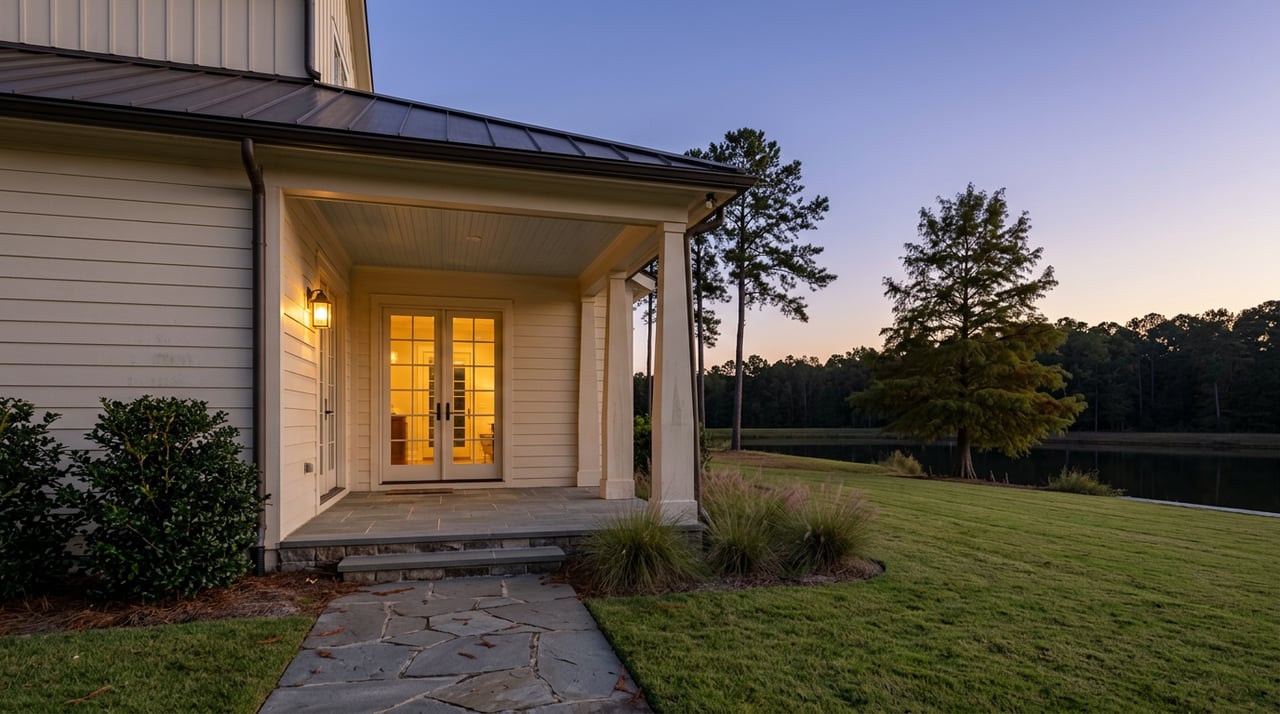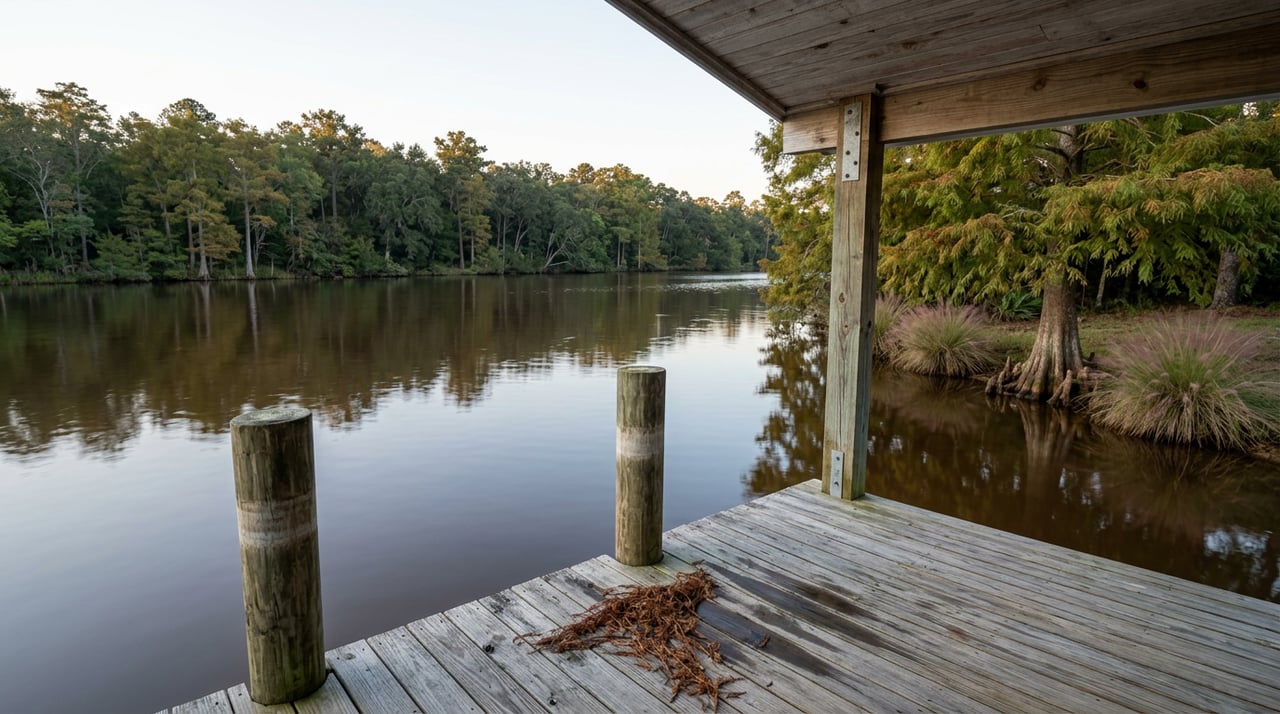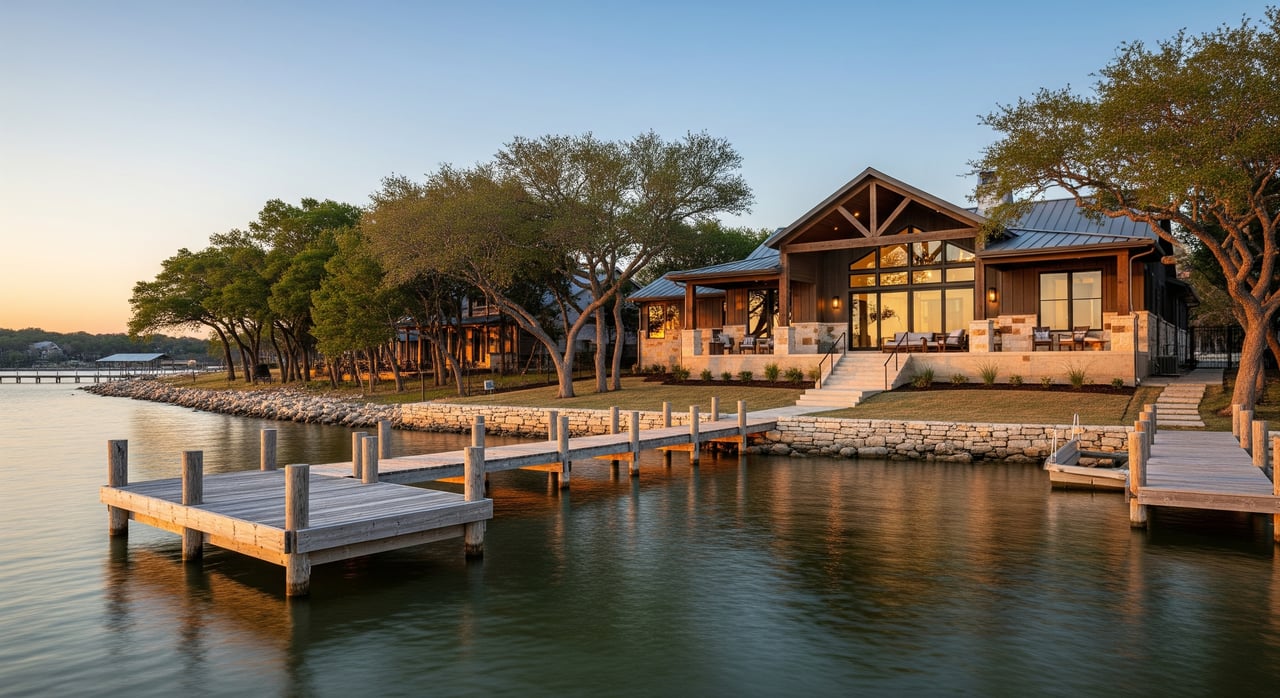
Dreaming of a weekend base on Cedar Creek Lake but not sure where to start? You are not alone. The shoreline changes quickly from quiet coves to open-water runs, and each area offers a different pace, dock setup, and home style. This local guide breaks the lake into simple zones so you can match your lifestyle to the right stretch of water, build a shortlist, and plan a smart scouting day. Let’s dive in.
How to use this guide
- Scan the zone profiles to find two or three areas that fit your boating style and weekend routine.
- Use the at-a-glance chooser to compare vibe, access, and typical homes.
- Save the buyer checklist for property tours and due diligence.
- Wrap with the sample lake tour plan so you can see marinas, open water, and protected coves in one efficient loop.
Cedar Creek Lake zones
Below are five easy-to-understand shoreline zones using local reference points. Each profile includes the vibe, boating considerations, access, and typical homes so you can compare apples to apples.
Zone A: Star Harbor and southeast shore
This is the quiet side. You get a more residential, cottage feel that appeals if you want low-traffic docks and big-sky sunsets. It suits weekenders who prefer coffee on the deck, evening cruises, and easy fishing.
Large commercial marinas are fewer here, so plan on a short boat ride or drive for full services. The payoff is protected coves and shorter runs to open water that are ideal for small powerboats, pontoons, and kayaks.
Homes range from modest seasonal cabins to renovated, mid-size year-round properties. Lots tend to be smaller with private docks. Some neighborhoods use property owner associations, which can help with dock rules and shared ramp upkeep.
Zone B: Eastern and upper coves
If privacy and nature are your priorities, the rural, wooded shoreline north and east of Star Harbor is worth a look. Deeper, narrower coves create a tucked-away feel where you can unplug.
Marina options are sparse in these reaches, so you will rely on a private or community ramp. The boating experience is quiet and protected, perfect for fishing, paddling, and low-wake cruising, with a longer run to the main channel when you want to stretch out.
Expect larger lots and custom-built retreats set among trees. Septic systems are common, so verifying system age and service history is essential during diligence.
Zone C: Central corridor and big water
This is the heartbeat of the lake. If you want quick access to the main channel and a more social boating scene, the central corridor is your spot. You can be on plane quickly, with room for wake boats and larger vessels when lake conditions allow.
This zone typically has the highest concentration of marinas, boat services, fuel, slip rentals, and repairs. It is the most convenient for short weekend stays when you want maximum time on the water with minimal logistics.
Housing includes a mix of older and newer waterfront estates, sometimes within gated developments. Docks here often sit in deeper water, which can help with year-round usability depending on conditions.
Zone D: Western and southern townshores
You will find more built-out lake communities here, along with everyday services close at hand. It suits buyers who want nearby groceries, dining, and a simple routine between boat time and town errands.
You will see multiple public ramps and commercial marinas across these townshores, which can simplify quick trips. Expect heavier boating traffic on peak weekends, especially near popular launch points.
Homes range from entry-level cottages and manufactured-lot communities to modern waterfront properties and select townhome developments. This mix lets you match budget, maintenance tolerance, and weekend goals.
Zone E: Dam and lower reservoir reaches
This end of the lake often feels more remote and natural. If you want fewer neighbors and a more low-key boating environment, the lower reaches can deliver.
There are fewer marinas here, so it is better for residents with private docks or anglers who value solitude. Water-level fluctuations and shoreline limits may shape dock plans and improvements.
Housing is more scattered, with custom homes and angler cabins. You will find less commercial development, which keeps the area quiet but means planning errands and services ahead of time.
At-a-glance zone chooser
| Zone | Vibe | Best for | Marina access |
|---|---|---|---|
| A: Star Harbor & SE | Quiet residential, sunset views | Low-traffic docks, pontoons, fishing | Fewer nearby, short drive or ride |
| B: Eastern/Upper Coves | Rural, wooded, secluded | Privacy, kayaking, nature-focused weekends | Sparse, rely on private or community ramps |
| C: Central Corridor | Active, social boating | Quick main-channel access, larger boats | Highest concentration of services |
| D: Western/Southern Townshores | Built-out, convenient | Family-friendly logistics, close to shops | Multiple marinas and public ramps |
| E: Dam & Lower Reaches | Remote and natural | Serious anglers, quiet escapes | Few marinas, plan ahead |
Buyer checklist for lake property
Use this checklist to compare properties across zones and during due diligence.
Property and physical
- Dock inclusion and permits, plus slip size and insurance needs.
- Shoreline water depth and route to the channel. Shallow fronts may limit boat types.
- Shoreline stability, erosion control history, and any bulkhead or rip-rap work.
- Flood risk and FEMA floodplain status. Get an insurance quote early.
- Septic versus municipal sewer, along with system age and maintenance records.
- Utilities: electricity, water source, and broadband options for remote work.
Regulatory and HOA
- POA or HOA rules for docks, boat types, rentals, parking, and exterior standards.
- Permits for docks and shoreline work, including seasonal restrictions.
- Policies at nearby marinas about outside-slip rentals and any waitlists.
Costs and routine maintenance
- Insurance differences for waterfront homes, including wind and hail riders.
- Dock maintenance, lift upkeep, seawall work, and possible dredging.
- Property taxes and the correct appraisal district if the parcel straddles jurisdictions.
Access and convenience
- Door-to-dock drive time from your primary home, including road quality.
- Nearby groceries, fuel, pharmacy, and urgent care for weekend needs.
- Winterization plan, caretaker options, and property management if you will be away.
Boating-specific
- Services offered at marinas you plan to use, including fuel and repair.
- Speed and wake zones near the property and typical weekend traffic.
- Public versus private ramp availability and congestion on holiday weekends.
Transaction considerations
- Title items common to shorelines: easements, riparian rights, and access strips.
- Survey and boundary checks, including submerged area considerations.
- Comparable sales by season. Lakefront comps shift with time of year.
Plan a weekend lake tour
See the lake the way you will use it. Here is a simple, efficient route to compare zones and boating styles in one day.
- 9:30 a.m. Start at a full-service marina in the central corridor. Review slip options and services, then head out for a short open-water run to feel big-lake conditions.
- 11:00 a.m. Tour one open-water estate in the central zone. Note dock depth, wave exposure, and wake patterns.
- 12:15 p.m. Lunch at a marina café or lakeside spot. Ask staff about typical weekend traffic and seasonal events.
- 1:15 p.m. Cruise to a protected cove in Zone A near Star Harbor. Compare the quieter water feel, turning radius for docking, and shore entry.
- 2:30 p.m. Drive or boat to a rural cove in Zone B. Walk a larger-lot property, check septic details, and discuss long-run times to open water.
- 4:00 p.m. Finish on a townshore in Zone D. Pop into a grocery and fuel station, then visit a practical, lower-maintenance home to gauge everyday convenience.
Ask us for a printable route and a curated set of 4 to 6 representative properties by zone. We can also provide recent comps and a quick review of dock and shoreline permit considerations before you tour.
Next steps
Choosing a lake home starts with matching your lifestyle to the right shoreline. Pick two or three zones that fit, then plan a hands-on tour that includes marinas, open water, and protected coves. You will leave with clarity about dock logistics, weekend travel, and the feel of each area.
If you want a guided day that does the legwork for you, connect with Matt Wood for a curated Cedar Creek Lake tour. We will align your goals, preview listings by zone, and build a route that shows the best fit for your boating style and budget.
FAQs
Which Cedar Creek Lake areas have the fastest run to open water?
- The central corridor provides the most direct access to the main channel, which shortens the time from dock to big water compared with narrower coves.
What zones are best if I want quiet, low-wake boating?
- Star Harbor and the eastern upper coves offer protected water that suits slow cruising, kayaking, and fishing, with less traffic and wider buffers from main-channel wakes.
Where will I find the most marina services in one place?
- The central lake corridor typically concentrates marinas, fuel, repair, and slip options, which simplifies weekend logistics and maintenance scheduling.
How should I think about short-term rentals on the lake?
- Check each POA or HOA for rental rules and any county guidelines, since policies vary by neighborhood and can limit nightly or short-stay rentals.
Are septic systems common around Cedar Creek Lake?
- Yes, many lakeside properties use septic, especially in rural coves, so you should verify system capacity, age, maintenance records, and permit status.
Do floodplain and shoreline permits affect dock plans?
- Floodplain placement and lake authority rules can shape dock size, placement, and shoreline improvements, so include permit checks early in diligence.
How crowded are public ramps on holiday weekends?
- Popular public ramps can see heavy use during peak season and holidays, so plan early launches or use private ramps or assigned slips when possible.